Shirt Button Line Art: A Thoughtful Embroidery Choice for Personalized Gifts
First Impressions: Sweet, Simple, and Full of Quiet Charm
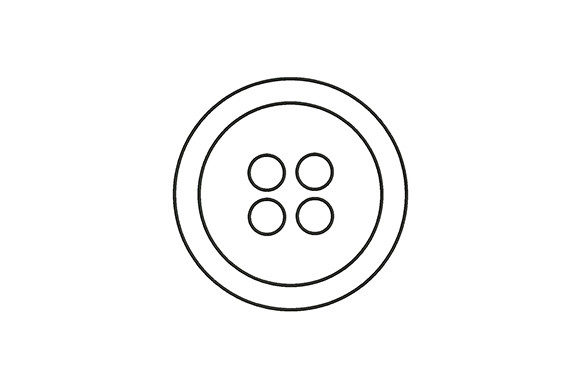
As an embroidery designer who’s tested hundreds of machine embroidery designs for small shops and custom gift lines, Shirt Button Line Art landed on my hoop with immediate appeal. It’s not flashy—but that’s precisely its strength. The design captures the humble elegance of a single shirt button rendered in clean, confident line work: no fills, no gradients, just intentional strokes that suggest texture, shape, and quiet craftsmanship. It feels handmade without looking amateurish—modern enough for a minimalist wedding keepsake, yet classic enough to grace a vintage-style baby blanket. There’s a gentle warmth here, a subtle playfulness in how the looped thread and subtle curve of the button evoke nostalgia without leaning into kitsch. For customers seeking meaningful but understated personalized gifts, this design speaks softly—and sticks in the memory.
Versatile & Heartfelt: Where Shirt Button Line Art Truly Shines
This isn’t a one-project wonder. Shirt Button Line Art thrives across thoughtful gifting categories—especially where simplicity signals sincerity. As a baby embroidery motif, it’s perfect for onesies (on stable cotton blends), receiving blankets, or linen nursery wall hangings: small enough to avoid overwhelming delicate scale, yet distinctive enough to feel intentional. For wedding gifts, imagine it stitched onto ivory linen napkins, monogrammed pillow covers, or even the inside hem of a custom bridal robe—its quiet refinement complements romance without competing with florals or script. Family keepsakes? Try it on a hand-stitched quilt label or a framed embroidered towel gifted at a housewarming. Etsy sellers will love how effortlessly it elevates small shop products: pair it with soft-toned thread on a natural canvas tote, or layer it beside a name on a linen apron for artisanal kitchen charm. And because it’s a clean line art style, it photographs beautifully—crisp edges translate well in digital mockups and product listings, helping buyers visualize the finished product before purchase.
Where to Use It With Care—And Why
Like any thoughtful embroidery choice, Shirt Button Line Art has sweet spots—and boundaries. Its minimal detail means it doesn’t carry well on highly textured fabric (think terry cloth towels or bouclé blankets) unless you adjust stabilizer strategy. On thick embroidered towels, test stitch density first: too dense, and the lines lose their airy quality; too sparse, and they vanish into the pile. Avoid placing it directly on stretchy baby clothes (like ribbed knit bodysuits) without proper cutaway stabilizer and careful hooping—line work can distort under tension. Curved surfaces (mugs, curved tote handles) require precise placement planning, and dark fabric demands high-contrast thread colors to preserve legibility. Most importantly: while the design is easy to stitch, its subtlety means small details—like the fine loop of thread—can blur if washed aggressively or ironed without protection. Recommend gentle care instructions to customers, especially for baby embroidery or heirloom-style wedding gifts.
What This Design Adds to Your Handmade Product’s Story
Shirt Button Line Art quietly raises perceived value—not through complexity, but through intentionality. In a market flooded with ornate monograms and trendy phrases, its restraint feels like a promise: *this was chosen, not just added*. That builds customer trust. Buyers recognize it as a handmade product with emotional resonance—a tiny button becomes a symbol of connection, care, or new beginnings. For Etsy sellers and craft fair vendors, it supports strong buyer engagement: it’s photogenic, scalable, and pairs seamlessly with storytelling in product descriptions (“A quiet nod to everyday moments, stitched just for you”). When used on personalized gifts—whether a custom pillow cover for a new parent or a linen tea towel for a couple’s first home—it invites tactile appreciation and personal reflection. That emotional connection turns one-time buyers into repeat customers.
Practical Embroidery Notes Before You Stitch
Before committing Shirt Button Line Art to your next batch of finished product, take these practical steps:
- Always test on scrap fabric—especially when switching between fabric types (e.g., from quilting cotton to linen blend).
- Check thread color contrast carefully. Light thread on light fabric may need a slightly denser stitch or underlay; dark thread on dark fabric benefits from matte or tonal sheen.
- Confirm hoop size compatibility with your machine and intended project—some versions may require larger hoops for optimal tension control.
- Review stitch density in your embroidery software. Line art should flow—not clump—so reduce density if stitches appear heavy or rigid.
- Match stabilizer to fabric: lightweight tear-away for stable wovens, cutaway for knits or towels, and water-soluble for delicate sheer layers.
- Compare light and dark fabric mockups side-by-side in natural light—what reads clearly on white may fade on charcoal.
- Inspect small details post-stitch, especially the thread loop and button contour. If they’re fuzzy or broken, revisit tension, needle size, or stabilizer weight.
- Verify commercial licensing before selling finished products. Since this is a digital embroidery file intended for personalized gift use, confirm it permits small business and Etsy seller usage—don’t assume.
A Last Thought for Gift Makers
Shirt Button Line Art won’t shout from the shelf—but it will linger in the heart. It’s the kind of embroidery design that reminds us why we choose handmade: not for spectacle, but for significance. Whether you’re stitching baby embroidery for a newborn, curating wedding gifts for a boutique, or building an Etsy shop rooted in authenticity, this machine embroidery design offers quiet confidence, wide adaptability, and genuine emotional resonance. Treat it with intention, test with care, and let its simple charm do the rest.